Your child seems off lately. Maybe they’re more anxious, angrier, or struggling at school. You’ve tried talking, but nothing’s changing. So late one night, you type child psychologist near me into your phone. If that sounds familiar, you’re not alone. Many parents feel worried, tired, and unsure where to begin. The good news is that help exists, and it’s closer than you think. Let’s walk through what to look for, what support looks like, and how to take that first step.
When to Look for a Child Psychologist Near Me
All kids have rough days. That’s normal. But it’s time to pay attention when you notice things like:
- Worry or sadness that lasts for weeks
- Marks dropping at school
- Struggling to make or keep friends
- Big angry outbursts
- Trouble sleeping or tummy aches
- Dreading school mornings
Spotting a few of these? Don’t panic. Reaching out early often makes things much easier for everyone.
How Therapy Helps Your Child
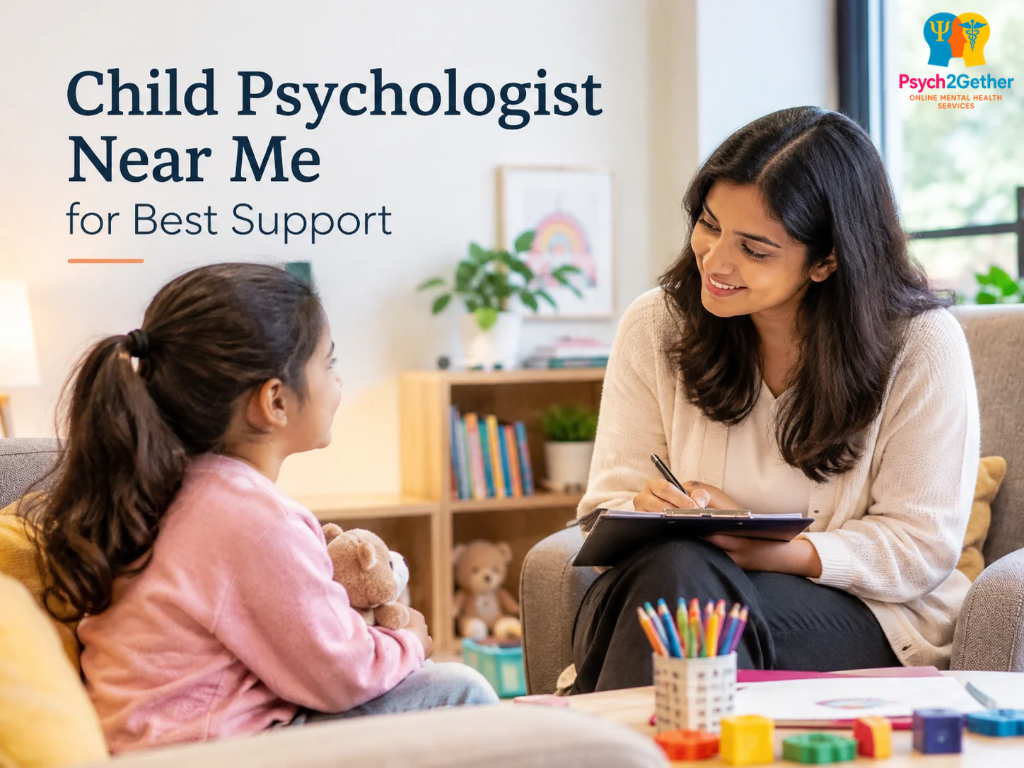
Therapy isn’t scary. For kids, it often feels like play. They draw, talk, and try simple activities. Our post on how therapy for children helps shows what actually happens in a session. Over time, your child may:
- Find words for big feelings
- Feel more confident
- Handle stress better
- Talk openly at home and school
You’ll be part of the process too. Expect simple tips you can use right away.
Concerns a Child Psychologist Can Help With
Every child is different. A good professional looks at the whole picture. Here are some common concerns:
- Anxiety: Constant worry can wear kids down.
- ADHD: Trouble focusing or sitting still.
- Autism: Signs can be subtle.
- Trauma: Hard experiences can linger.
Not sure if it’s ADHD or autism? A private autism and ADHD assessment can give you real answers.
Choosing the Right Child Psychologist Near Me
Fit matters a lot. Your child should feel safe and heard. When you’re searching for a child psychologist near me, check for:
- Proper registration and experience with kids
- Evidence-based methods like CBT
- A warm, friendly style
- Clear updates for parents
- Online or in-person sessions
- Short waiting times
Still comparing options? Our tips to find the best psychologist near me might help.
What Happens in the First Session
Relax. The first visit is gentle. The psychologist will usually:
- Chat with you and your child
- Ask about home, school, and sleep
- Listen to your worries
- Suggest a simple plan
Psych2Gether offers a free 15-minute consultation, so you can ask questions without any pressure. Sessions can also happen online, which saves travel and keeps your child in a comfy space.
Little Ways to Help at Home
Therapy works best when home feels calm. Small habits add up.
- Listen without rushing to fix things
- Keep routines steady
- Praise effort, not just results
- Switch off screens before bed
- Stay calm during meltdowns
And don’t forget yourself. Parenting is hard, and stress can pile up. If you’ve lived through something heavy, read the signs of PTSD in women.
Take the First Step Today
Asking for help isn’t weakness. It’s love in action. Most kids do better once they get the right support. And the sooner you start, the lighter things feel for the whole family.
Here’s an easy way to begin:
- Jot down what you’ve noticed
- Book a free consultation
- Ask every question on your mind
Finding the right child psychologist near me can feel overwhelming at first. But you don’t have to figure it out alone. Take one small step today. Early help matters. Reach out to Psych2Gether, share what’s been worrying you, and give your child the gentle support they deserve. A calmer, happier tomorrow can start with one simple chat.h today…
To seek help or professional expertise connect with us at Psych2gether
To understand more, visit us at psych2gether, Atterbury Lakes, Fairbourne Drive, Milton Keynes MK10 9RG