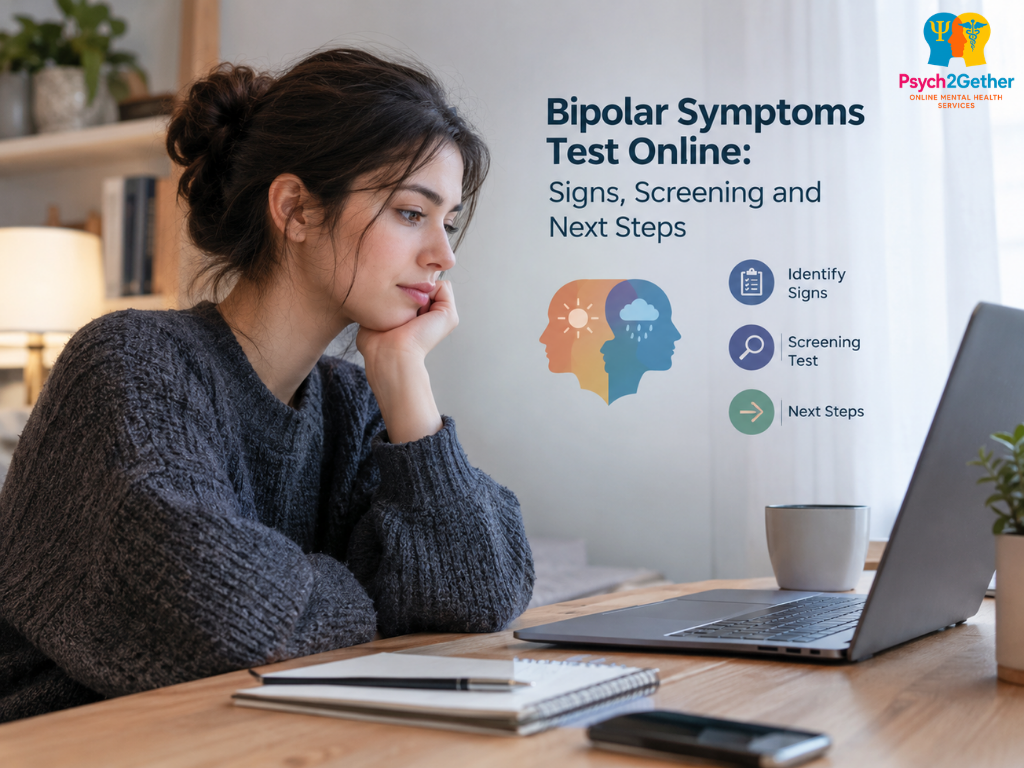
Bipolar Symptoms Test Online: Signs, Screening and Next Steps
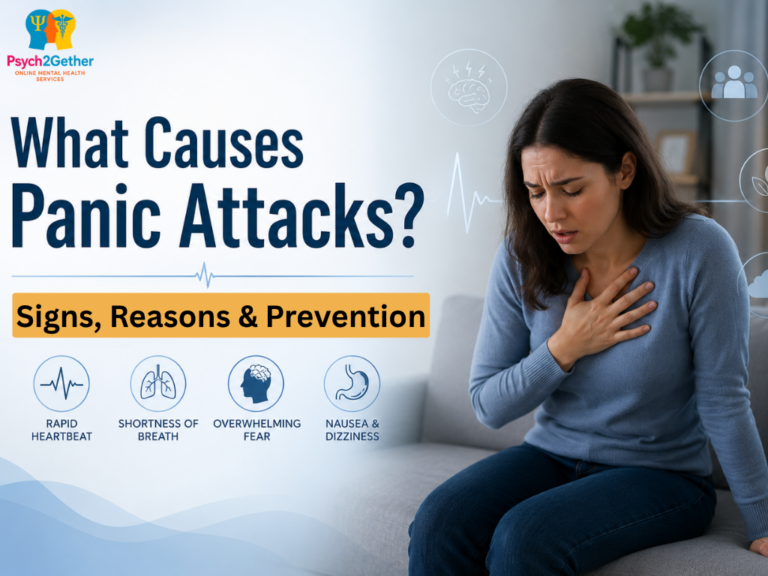
Panic attacks can hit, like out of nowhere, bringing sharp fear, fuzzy confusion, and a sort of physical discomfort that feels hard to explain. They’re more common than many people imagine, and figuring out what causes panic attacks is a key step if you want to manage this better. Stress, anxiety, trauma, certain health conditions, or even just too much going on all at once can play a role in panic attacks.
A panic attack can be a sudden onset of extreme fear or unease that comes on in a matter of minutes. It triggers the body to go into a fight or flight response when there is no actual threat. The brain sends a false alarm, sending the body into a state of adrenaline and a number of physical and emotional symptoms.
Panic attacks tend to be tied to anxiety disorders, but they do occur in individuals without an anxiety disorder. They are not physically threatening, but can cause fear and upset to the normal functioning of daily life.
The symptoms typically go away in 10-20 minutes. But if it happens over and over, it could be a sign of a recurring issue such as post-traumatic stress disorder (PTSD) or obsessive-compulsive disorder (OCD), which can make someone more sensitive to sudden feelings of fear.
There are never any definitive answers. A mix of biological, psychological, and environmental factors often underlie the onset of panic attacks.
Anxiety and neurochemical imbalances in the family can contribute to a sensitised nervous system to the threat.
Long hours of stress, death of loved ones, or significant life changes may cause the nervous system to remain constantly vigilant.
When people are depressed, it interferes with their brain’s ability to control fear responses and increases the risk of panic attacks.
Mood regulation issues associated with adult ADHD or hyper- or hypo-sensitivities in adult autism can trigger panic-like episodes.
Too much caffeine, withdrawal from alcohol or recreational drugs may overstimulate the nervous system and cause attacks.
When you are overattentive to the very small sensations, such as a quickened heartbeat, it can trigger a complete panic attack, referred to as interoceptive sensitivity.
There are no magic treatments, but there are several evidence-based strategies that can help to decrease the frequency and severity:
Catching the warning signs early and practicing healthy coping strategies can make it easier to lower how often they happen and also the impact they have. But if panic attacks start getting in the way of your day-to-day life, your job, relationships, or your general well-being, then getting professional support really matters.
At Psych2Gether, our specialists offer evidence-based assessments and personalised care that help you more clearly understand anxiety and panic-related symptoms, plus how to manage them. Book a free 15-minute consultation, and take a first step toward better mental wellness.
To seek help or professional expertise connect with us at Psych2gether
To understand more, visit us at psych2gether, 79 College RdHarrow HA1 1BD, UK