
Find the Best psychologist near me
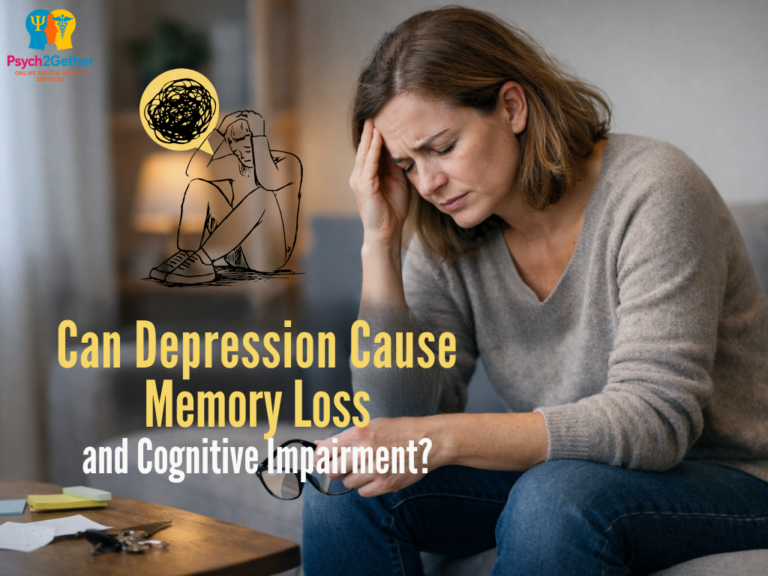
In one word, the answer is yes- Can Depression Cause Memory Loss and more commonly than people even recognise. Depression affects cognitive functions like memory, focus and decision making while often being associated with persistent sadness or loss of interest.
People suffering from depression often struggle with remembering names, conversations, appointments, or other simple daily stuff. This causes worry in many about dementia. However, in most cases, depression-related memory loss issues are temporary and reversible.
Apart from affecting mood, depression impacts how the brain processes and stores information.
Can Depression Cause Memory Loss is usually temporary and improves with improvement in mental health. Depression can be treated through lifestyle changes, therapy or other professional interventions. However, untreated and long-term depression may prolong cognitive issues, which is why early support is essential.
Depression related to memory loss can be different from person to person.
These symptoms are sometimes referred to as pseudodementia, especially in elderly people, because they can mimic early dementia but are different.
If these factors can be addressed significantly, cognitive functions can be improved.
It’s essential to seek professional help when symptoms start to worsen or memory loss begins to interfere with daily life, work, or relationships. Memory issues related to low mood should be addressed immediately. Our professional at Psych2gether help you with support that can improve both emotional well-being and cognitive health.
Can Depression Cause Memory Loss. With proper understanding, care, and support, memory issues related to depression are often reversible, and the clarity can return.
To seek help or professional expertise connect with us at Psych2gether
To understand more, visit us at psych2gether, 79 College RdHarrow HA1 1BD, UK