Psychosis
What is Psychosis
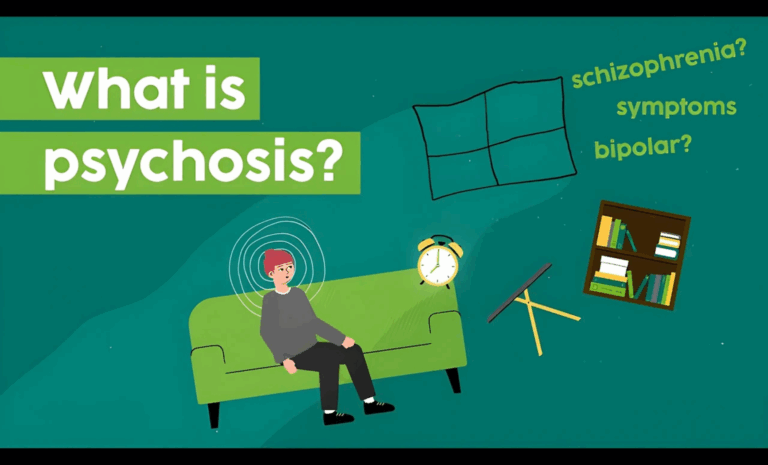
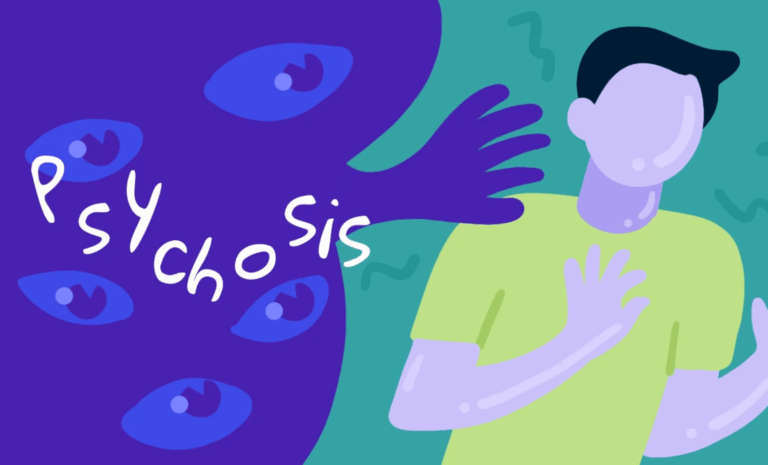
Psychosis is a mental health condition characterized by a disconnection from reality. Individuals experiencing psychosis may have altered perceptions of the world around them, often manifesting as delusions (false beliefs) or hallucinations (perceptions of things that are not present, such as hearing voices or seeing things that others do not). This condition can affect thoughts, emotions, and behaviors, making it difficult for individuals to distinguish what is real from what is not.
Psychosis can be triggered by various factors, including:
Mental health disorders such as schizophrenia or bipolar disorder
Substance abuse (e.g., drugs or alcohol)
Neurological conditions (e.g., brain injury, dementia)
Traumatic experiences (e.g., severe stress, trauma)
Treatment typically involves a combination of antipsychotic medications, psychotherapy, and support systems to help manage symptoms and improve functioning. Early intervention is key to improving outcomes.
What causes Psychosis
Fatigue or low energy
Changes in sleep patterns (insomnia or oversleeping)
Appetite or weight changes
Difficulty concentrating or making decisions
Feelings of guilt, worthlessness, or self-blame
Physical symptoms such as headaches or body pain
Thoughts of death or suicidal ideation
Symptoms of Psychosis
Persistent sadness, emptiness, or hopelessness
Loss of interest in previously enjoyable activities
Hallucinations: Perceptions that are not based on reality, such as hearing voices or seeing things that aren’t there.
Delusions: False beliefs that are strongly held despite evidence to the contrary, such as believing one has special powers or is being persecuted.
Disorganized Thinking: Difficulty organizing thoughts, which may result in incoherent speech or trouble following conversations.
Disorganized or Abnormal Behavior: Engaging in unusual, erratic, or inappropriate actions.

Treatment for Psychosis
-
Medications: Antipsychotics to manage symptoms like hallucinations and delusions; mood stabilizers or antidepressants for related conditions.
-
Psychotherapy: Cognitive Behavioral Therapy (CBT) helps address irrational thoughts, and supportive therapy offers emotional support and coping strategies.
-
Hospitalization: May be necessary for severe cases to ensure safety and symptom management.
-
Rehabilitation & Support: Occupational therapy and support groups to aid recovery and improve daily functioning.
-
Lifestyle: Proper sleep, stress management, and a structured routine can support overall treatment.


Engaging in depression therapy offers numerous benefits, including improved emotional resilience, clearer thinking, and better decision-making. It provides effective stress management, strengthens relationships, and boosts self-awareness and self-esteem. Therapy can also reduce physical symptoms like fatigue and sleep disruption, making it a strategic investment in long-term mental wellness and overall performance.
-
Enhanced Emotional Resilience
Builds coping mechanisms to navigate emotional turbulence and minimize relapse risk. -
Improved Cognitive Functioning
Refines thought patterns, fostering clarity, focus, and productivity in personal and professional spheres. -
Sustainable Stress Management
Equips individuals with evidence-based tools to handle stressors, reducing burnout potential. -
Strengthened Interpersonal Relationships
Encourages healthier communication, empathy, and conflict resolution, improving relationship dynamics. -
Increased Self-Awareness and Self-Esteem
Promotes introspection and personal growth, driving confidence and self-acceptance. -
Reduction in Physical Symptoms
Diminishes associated somatic complaints such as fatigue, sleep disturbances, and appetite changes. -
Long-Term Mental Wellness ROI
Acts as a preventive strategy, safeguarding future mental health and enabling sustained peak performance.
If you have any queries regarding your mental health or someone you are concerned about, please feel free to contact us