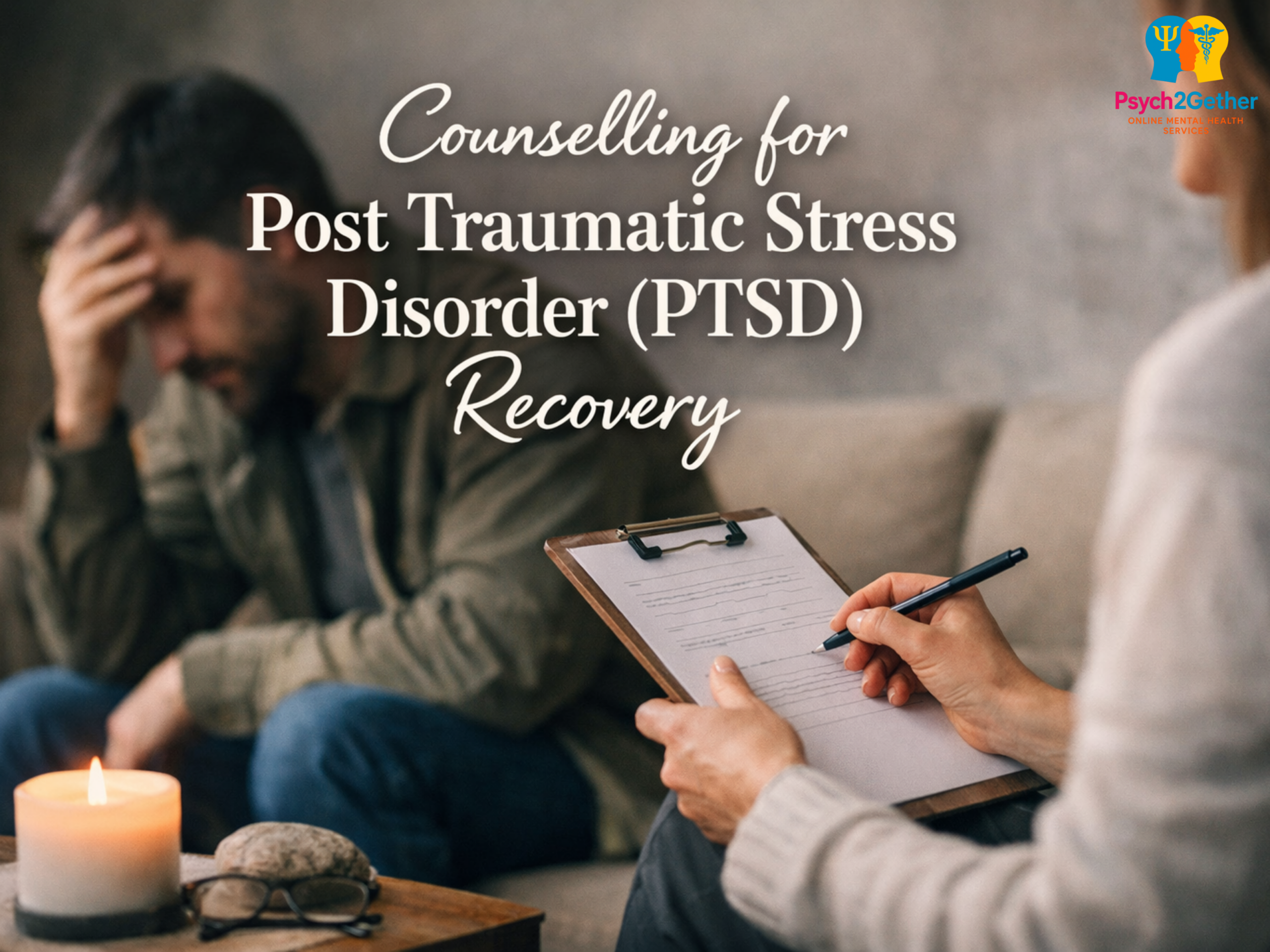
Bipolar disorder is a mental health condition that is characterized by extreme mood swings, including emotional highs and lows. Living with bipolar disorder can be challenging, but the same can be managed with the right coping strategies and support.
What is Bipolar Disorder?
Living with bipolar disorder is often misunderstood as moodiness. It is a serious mental condition that affects millions worldwide and impacts energy, relationships, and focus. Some of the common symptoms include:
- Depressive episodes: Loss of interest, low energy, melancholy or difficulty concentrating
- Manic or hypomanic episodes: High energy, insomnia, racing thoughts, impulsivity
One of the keys to managing Living with bipolar disorder effectively is to recognise the symptoms early and seek help. Online mental health services can offer valuable support in this process.
Types of bipolar disorder
Here are the types of bipolar disorder:
- BIPOLAR I DISORDER: Severe manic episodes often followed by depressive episodes characterise this type. This may require medical care.
- BIPOLAR II DISORDER: This involves hypomanic episodes and other major depressive episodes
- Cyclothymic disorder: Milder moods over extended periods classify this.
- Other specified bipolar disorders: Symptoms that don’t really fit into any of the above but can impact life significantly.
Common bipolar disorder symptoms - generally fall into two categories:
Manic or hypomanic symptoms:
- Increased energy or activity levels
- Reduced sleep
- Rapid thoughts or speech
- Impulsivity or poor decision making
- Irritability or increased confidence
Depressive symptoms:
- Persistent sadness
- Low energy
- changes in sleep and appetite
- Loss of interest in activities
- Fatigue or low energy
Bipolar Disorder treatment and coping strategies:
A combination of lifestyle habits, self-awareness and professional care from psych2gether can help manage Living with bipolar disorder. Here are some coping strategies for living with bipolar disorder:
- Stick to a treatment plan: Medication and therapy are very important. Mood stabilizers, antidepressants and CBT can help regulate mood. For a detailed explanation, you may check with us on psych2gether
- Track your moods: Tracking symptoms allows proactive adjustments to the treatment plan. A mood journal or app can help you with the same.
- Schedule: Establishing a daily routine like regular sleep, meals and exercise helps stabilise mood. Prioritising sleep is the key.
- Manage stress: Mindfulness, yoga, meditation and deep breathing exercises can help you manage stress. Unmanaged stress management can worsen the symptoms.
- Practise self-care: It’s important to know your limits and engage in activities that promote calm and balance.
- Education: Educating yourself and your friends, co-workers and family can strengthen your support system. Understanding bipolar disorder can actually reduce stigma and improve communication.
Building a Strong Support System for Living with Bipolar Disorder You may consider:
- Therapists and psychiatrists: Our trained officials at psych2gether provide therapy, treatment plans and medications
- Open communication with friends and family can help you manage your Living with bipolar disorder.
- Support groups facing similar challenges can also be of help.
- You must also keep emergency contacts handy.
Conclusion: Embracing Life with Bipolar Disorder
Living with bipolar disorder is a lifelong condition; however, the same doesn’t define your life. With the implementation of proper coping strategies and with proper support, mood can be managed, and you can enjoy a balanced and calm life.
To understand more, visit us at psych2gether, 79 College RdHarrow HA1 1BD, UK