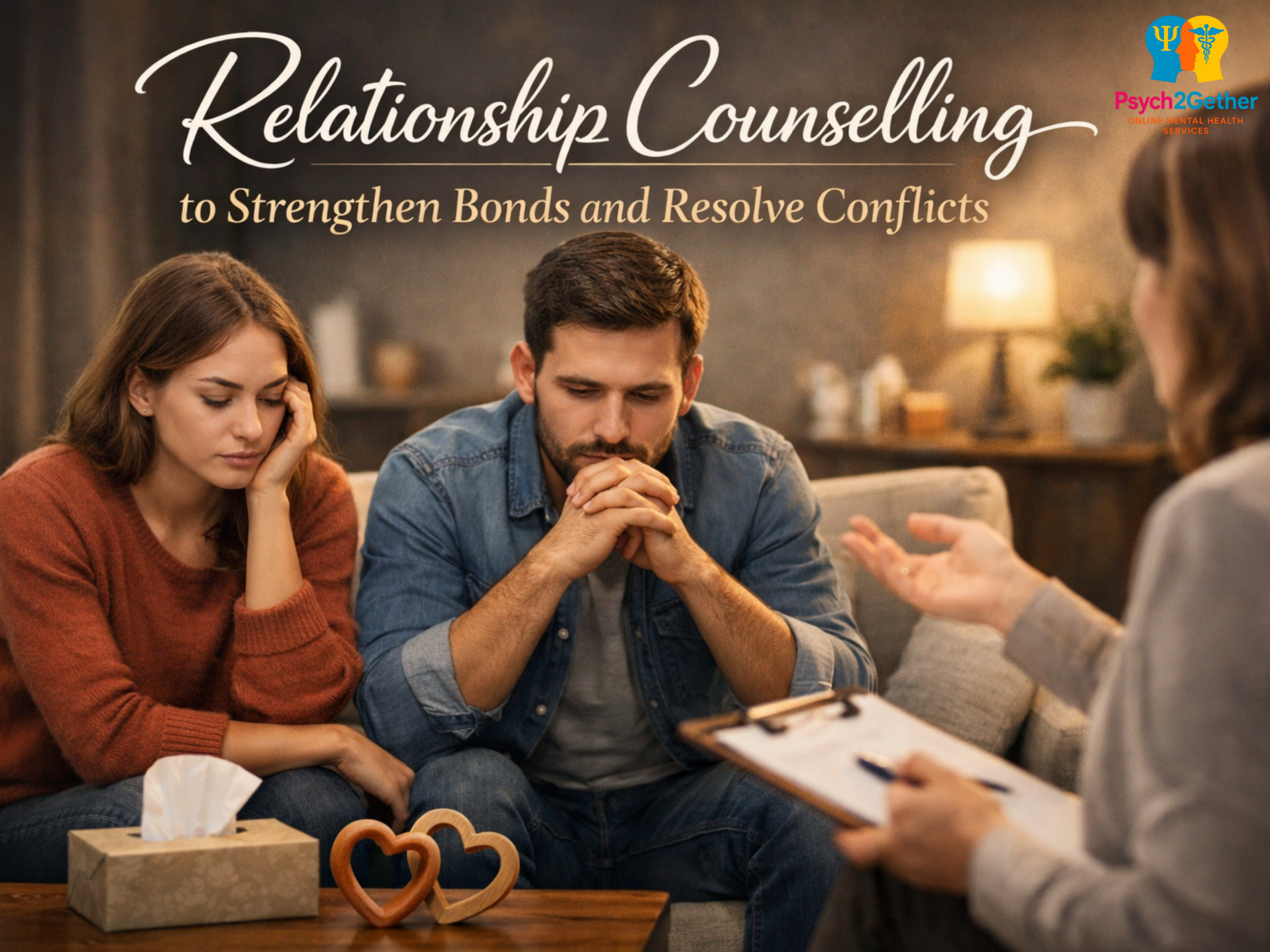
Relationship Counselling to Strengthen Bonds and Resolve Conflicts
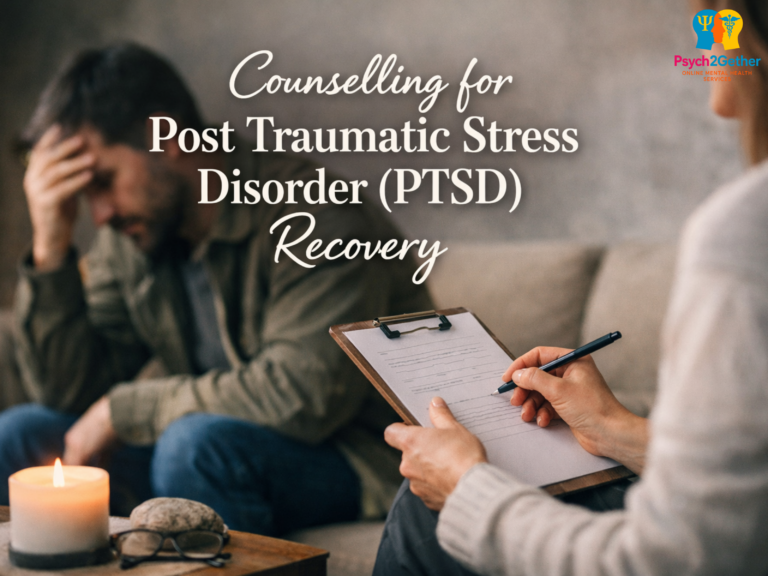
Some experiences in life can be very painful and hard to forget. They can affect the mind for a long time. Events like accidents, abuse, violence or natural disasters can leave deep emotional stress. Even when the event is over, the feat and anxiety may stay. This condition is known as Post Traumatic Stress Disorder, or PTSD. It can affect the way a person thinks, behaves and feels. Many people struggle with it silently. This is why counselling for post traumatic stress is important for recovery.
PTSD is a mental health condition. It can happen after some traumatic experience. A person may feel constant danger even when the danger has passed.
This feelings tend to affect daily life. Work, relationships and sleep can also suffer.
These symptoms can last for months or even years. That’s why counselling for post traumatic stress is important.
Trauma can happen to anyone. It can make people feel alone. Many people keep it to themselves and avoid talking about their experience. They may feel afraid or ashamed.
Counselling provides a safe place to talk. A trained counsellor listens with care and patience. There is no judgement. With the help of counselling, people slowly learn to open up, talk about their feelings and thoughts. Talking about the experience helps reduce emotional pressure.
Counselling also helps people understand their reactions. Many learn that their feelings are normal responses to trauma. This understanding brings them out of the danger zone.
There are various types of counselling available to help people recover from trauma. A mental health professional use the right method based on the person’s needs.
Some common types include:
Each method is used as per the individual’s need.
Healing from trauma takes time. It does not happen overnight. But counselling helps to provide support required during the healing process.
Post Traumatic Stress Disorder can be hard to manage alone. Painful memories and emotions can feel very overwhelming. But recovery is possible with right support. Counselling for Post Traumatic Stress helps people to heal by processing their experiences and understanding their emotions. It gives them the tools to handle stress.
Getting professional help is very important in healing. Connect with Psych2gether and book counselling sessions with expert mental health professionals helps you in your healing journey and supports you during hard times.
To seek help or professional expertise connect with us at Psych2gether
To understand more, visit us at psych2gether, 79 College RdHarrow HA1 1BD, UK