Anxiety
Home / Our Services / Anxiety
What is Anxiety
Anxiety is a natural emotional response to stress or perceived threats, characterized by feelings of worry, nervousness, or fear. While occasional anxiety is normal, anxiety disorders occur when these feelings are persistent, excessive, and interfere with daily life, work, or relationships.
Symptoms of anxiety can be emotional (restlessness, irritability, excessive worry), cognitive (difficulty concentrating, racing thoughts), and physical (rapid heartbeat, sweating, muscle tension, gastrointestinal issues, or shortness of breath).
Causes of anxiety are multifactorial, including genetic predisposition, brain chemistry, personality traits, and environmental stressors such as trauma or chronic life pressures.
Anxiety is treatable through a combination of psychotherapy (e.g., cognitive behavioral therapy), medication, lifestyle adjustments (regular exercise, sleep, and stress management), and support systems. Early intervention can significantly improve quality of life and functional well-being.

what causes anxiety
Biological Factors – Neurochemical imbalances, genetic predisposition, and brain circuitry differences.
Psychological Factors – Negative thought patterns, perfectionism, past trauma, or low self-confidence.
Environmental Factors – Chronic stress, high-pressure environments, major life changes, or social isolation.
Medical Conditions – Thyroid disorders, heart conditions, hormonal fluctuations, or side effects from medications.
Lifestyle Factors – Sleep deprivation, poor diet, lack of physical activity, or substance use.
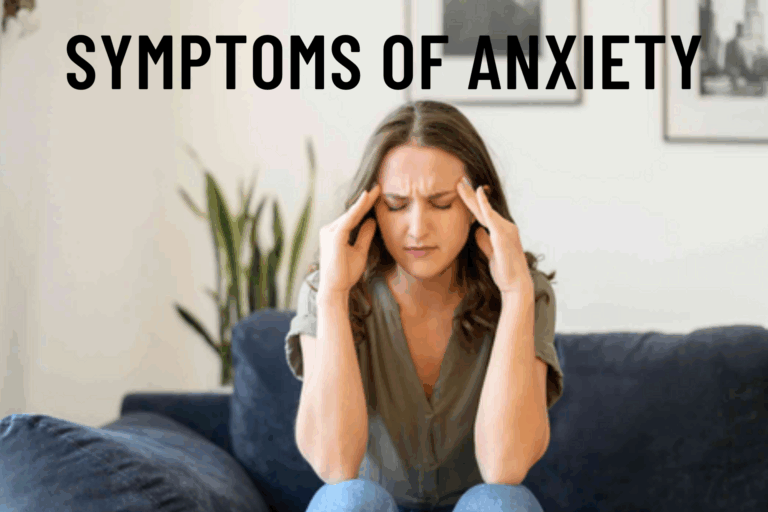
Symptoms of Anxiety
Emotional symptoms: Persistent worry, apprehension, irritability, or a sense of impending doom.
Cognitive symptoms: Racing thoughts, difficulty concentrating, overthinking, or excessive fear of making mistakes.
Physical symptoms: Rapid heartbeat, shortness of breath, muscle tension, headaches, digestive issues, or sleep disturbances.
Behavioral changes: Avoidance of certain situations, procrastination, restlessness, or social withdrawal.
Anxiety is highly treatable. Effective interventions include therapy, psychiatric care, medication, mindfulness practices, and lifestyle adjustments. Early recognition and structured support are essential for sustainable management.
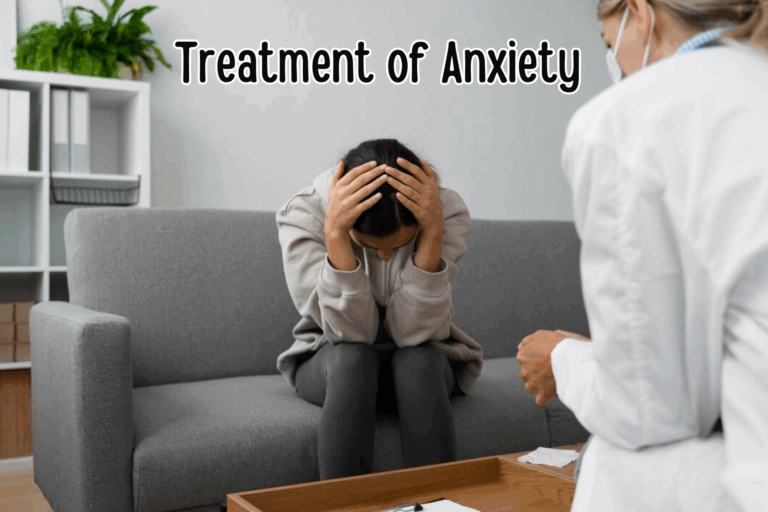
Treatment of Anxiety
-
Psychotherapy (Talk Therapy):Evidence-based approaches like CBT, ACT, IPT, and psychodynamic therapy help manage anxious thoughts, build coping skills, and improve emotional resilience.
-
Medication: SSRIs, SNRIs, and anxiolytics can reduce symptoms by balancing brain chemicals, complementing therapy under professional supervision.
-
Lifestyle Interventions: Regular exercise, balanced nutrition, quality sleep, and mindfulness practices support long-term anxiety management.
-
Support Systems: Family, peers, and community networks provide emotional support and reduce isolation.
-
Advanced Treatments: For severe cases, options like TMS, ECT, or ketamine therapy may be used under medical guidance.


Engaging in anxiety-focused therapy delivers tangible benefits, including enhanced emotional regulation, improved cognitive clarity, and greater resilience in personal and professional contexts. Therapy empowers individuals to manage stress proactively, strengthen relationships, and optimize overall mental and physical well-being.
-
Enhanced Emotional Regulation
Develops coping strategies to navigate anxious episodes and reduce relapse risk. -
Improved Cognitive Functioning
Promotes structured thinking, clarity, and focus for improved decision-making and productivity. -
Sustainable Stress Management
Encourages healthier communication, empathy, and conflict resolution, improving relationship dynamics.Provides evidence-based techniques to mitigate stress and prevent burnout. -
Strengthened Interpersonal Relationships
Fosters communication skills, empathy, and conflict resolution for healthier interactions. -
Increased Self-Awareness and Confidence
Encourages introspection, self-acceptance, and empowerment in daily life. -
Reduction in Physical Symptoms
Alleviates somatic effects such as tension, headaches, sleep disruption, and digestive discomfort. - Long-Term Mental Wellness ROI Functions as a strategic investment in future mental health, equipping individuals to maintain performance and resilience under pressure.
If you have any queries regarding your mental health or someone you are concerned about, please feel free to contact us